

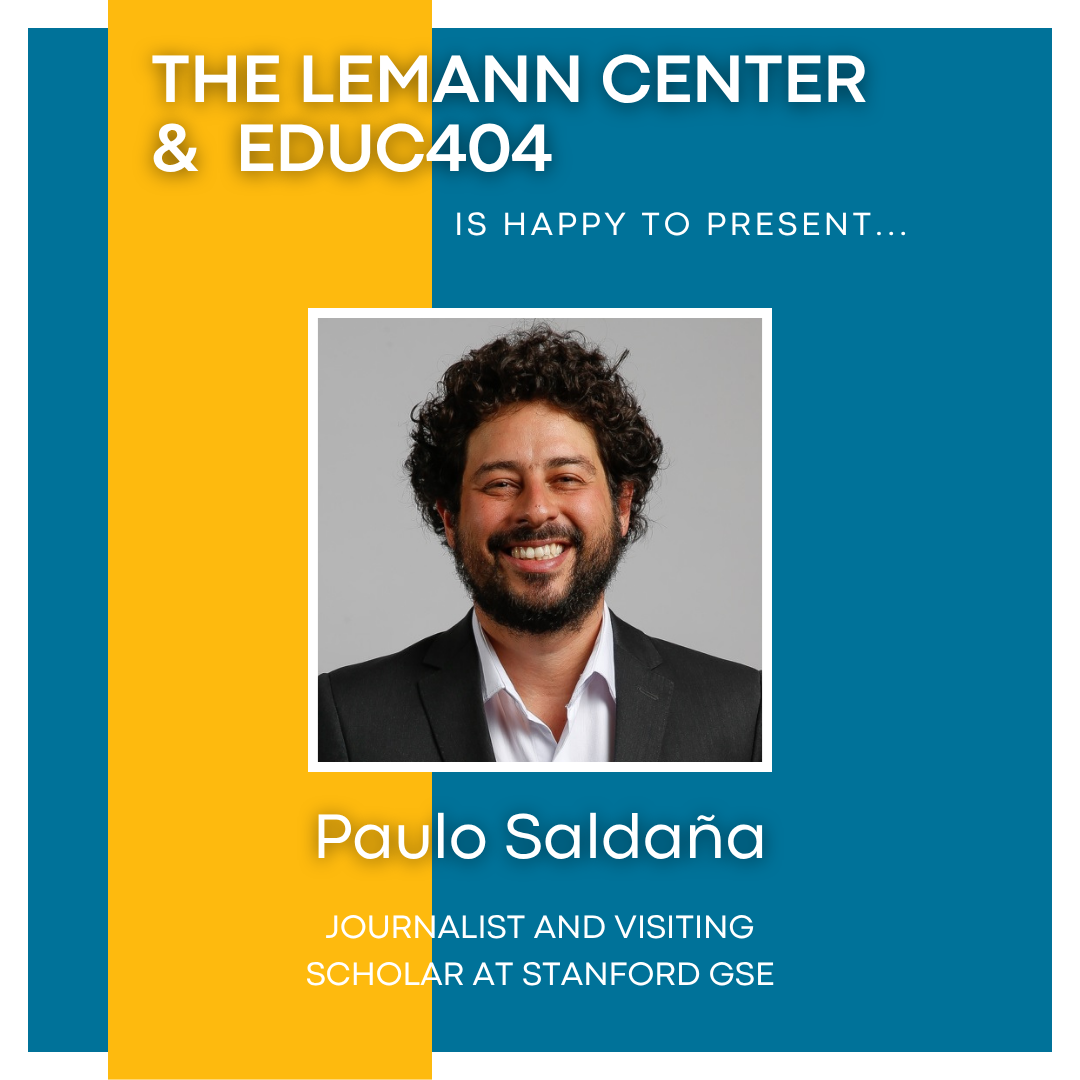
About the presentation
Scrutinizing public power and transient governments is an essential part of education journalism. Beyond reporting indicators, the challenges of the educational system, and what happens in schools, education journalism has the mission of delving into the intricacies of political decisions. In this meeting, we will explore aspects of journalistic education coverage in Brazil aimed at scrutinizing public power, mainly through the monitoring of the federal budget, which enables investigations into governmental priorities, the formulation of public policies, and corruption cases. We will detail the routine of scrutinizing education public policies and the budget based on the details of the investigation process for high-impact reports in Brazil, such as the investigation into robotics kit purchases to favor politicians, the actions of corrupt pastors at the Ministry of Education (MEC) under the Jair Bolsonaro government, and the “Farra do Fies” (FIES Spree), a series of reports that showed how federal Student Financing (FIES) expenditures grew uncontrolled, benefited companies, while the enrollment rate declined.
About Paulo
Paulo Saldaña has been an education reporter since 2010 and is a coordinator at the Brasília Bureau of Folha de S.Paulo , where he has worked since 2016. He is a co-founder and board member of Jeduca (Association of Education Journalists), where he served as a director from 2016 to 2024. He co-signed the documentaries 'Desconectados' (Disconnected), a feature film about education during the pandemic, and 'Fantasmas da Lama' (Ghosts of the Mud), which addresses the lives of those affected by mining in Minas Gerais. He has received over ten journalism awards for education reports, including the main category of the Esso Award (with the Farra do Fies ), the Inep, CNI, Estado, and Folha awards (with the report that revealed an audio recording in which the Minister of Education requests favors for pastors to release federal education funds). Graduated in Journalism from Faculdade Cásper Líbero, he worked for over six years at O Estado de S. Paulo.
